Cell Culture Insights

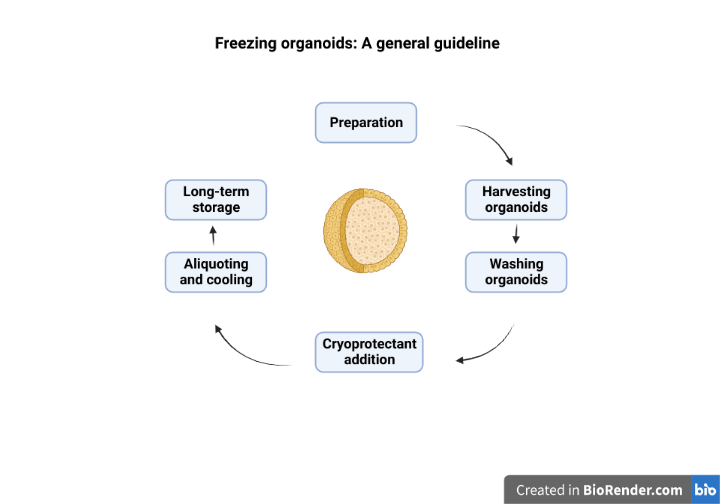
Some common tissue-specific organoids

Researchers have optimized methods to generate physiologically relevant organoid models for many organs. Here are some examples of commonly used tissue-specific organoids: Intestinal organoids In 2009, Sato et al. isolated individual Lgr5+ stem cells from small intestinal crypts of adult…
Fundamental techniques used in cell culture

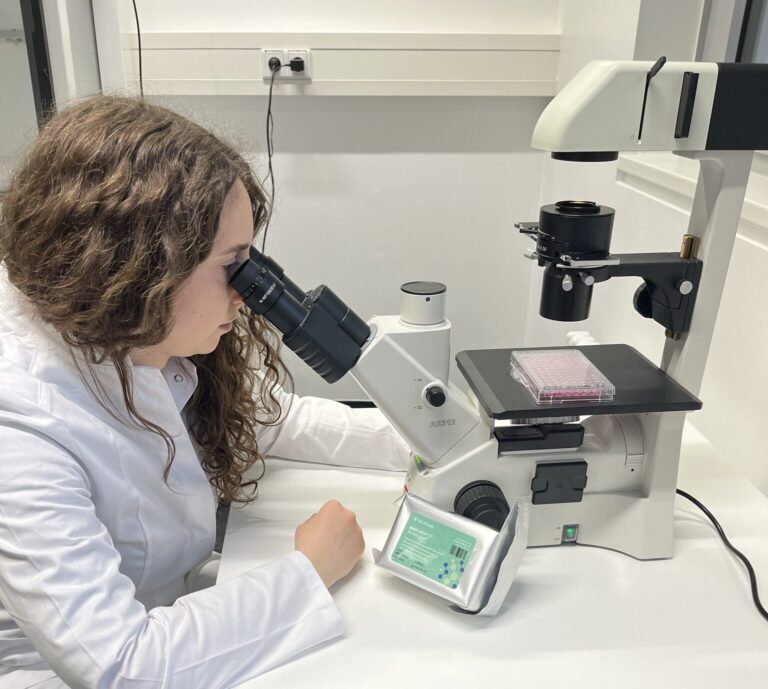
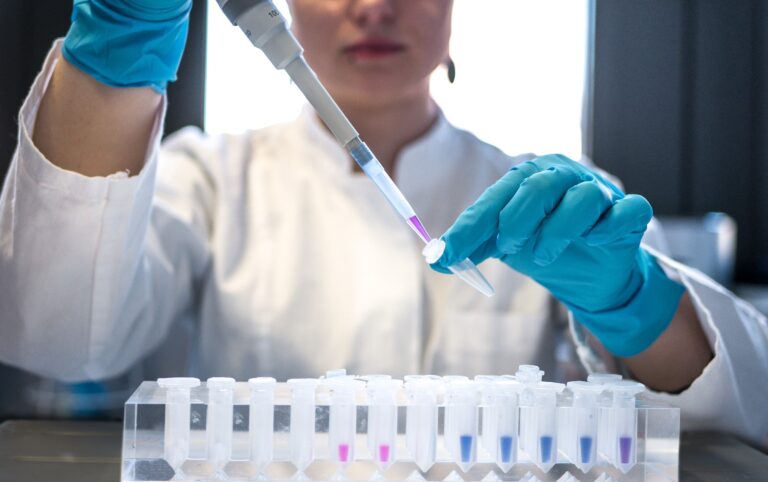
Cell culture involves the cultivation and growth of cells outside their natural environment, in a laboratory setting. The following are some fundamental techniques used in cell culture: 1. Aseptic technique: Aseptic techniques are essential to maintain a sterile environment and…

Safety aspects of cell culture

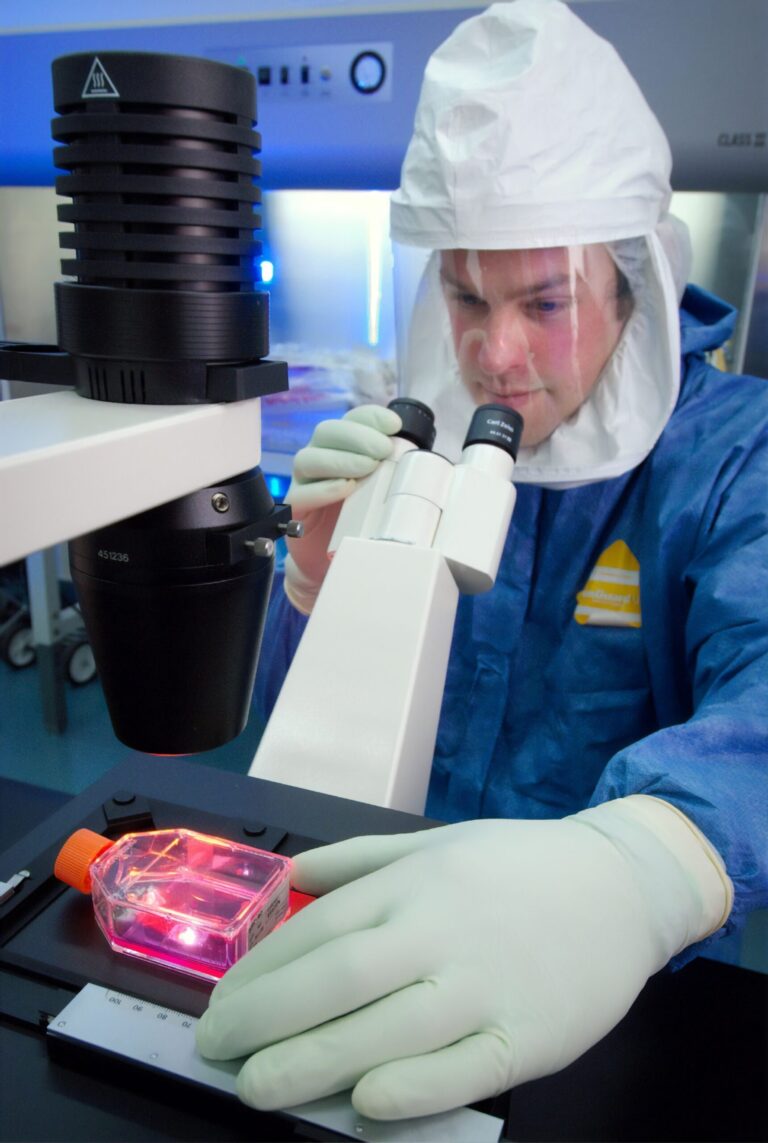
Safety is a critical aspect to consider when working with cell cultures to protect both researchers and the environment. This article summarizes some essential safety guidelines to keep in mind to work in the cell culture laboratory. 1. Biosafety cabinet:…

The do’s and don’ts of cell culture

Cell culture is a versatile tool to investigate fundamental scientific and translation research questions. This article is a summary of important principles behind the setup of a cell culture lab and the guidelines that ensure the safety of the lab…

Insights into the application of brain organoids

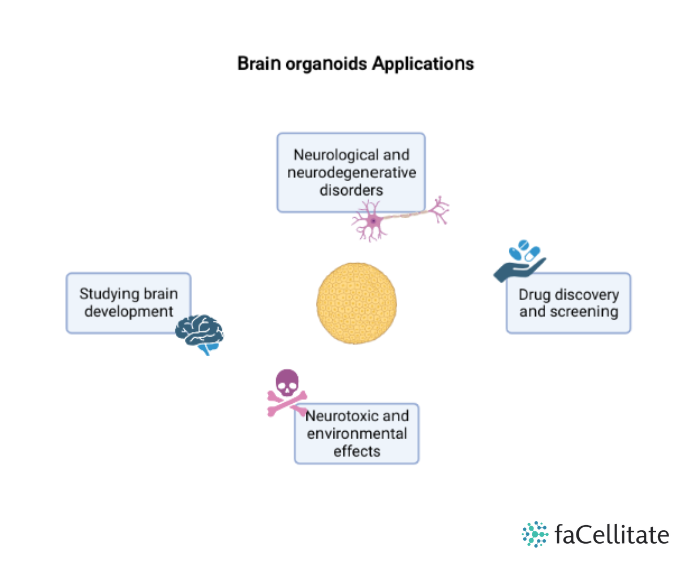
Despite the significant advances in using animal models in medical research, some preclinical studies from those models failed to be translated into clinical practice successfully. This could be due to subtle differences in the brain structure and cellular composition across…

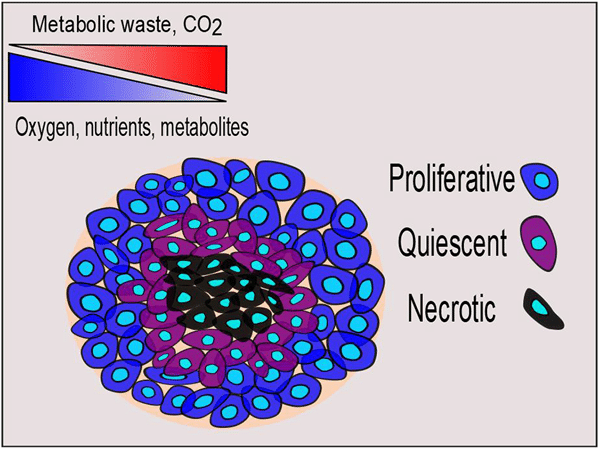
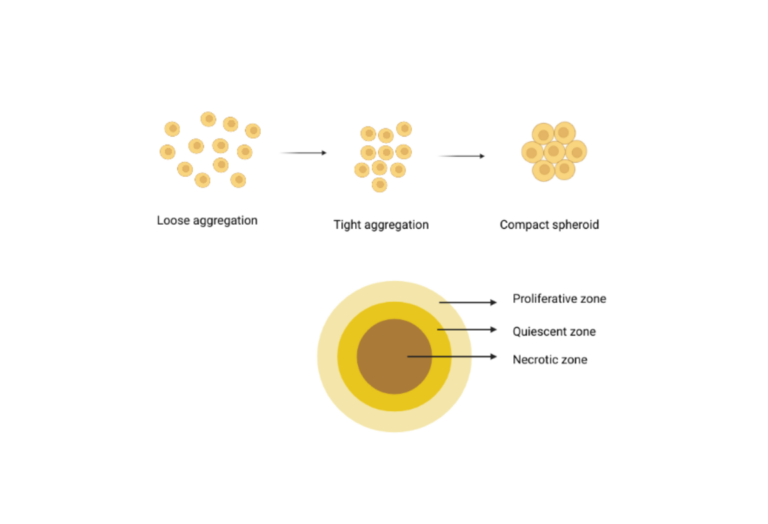
Necrosis in spheroids and how to detect it

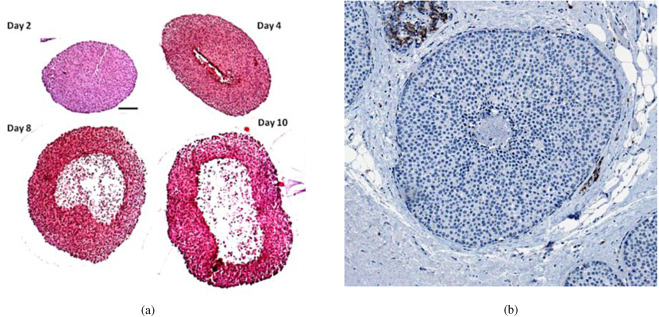
As spheroids grow, oxygen diffusion from the external layers of cells into the core gets limited and this leads to cellular stress, energy deprivation, and eventually necrosis. The development of necrosis in spheroids depends on various factors, including the spheroid…