Category Spheroids

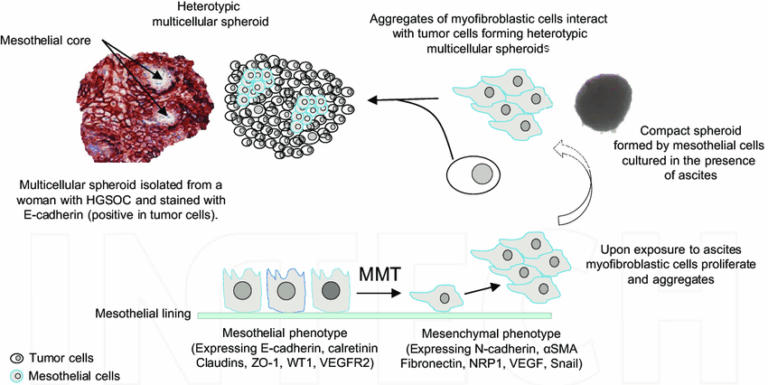
Homotypic and heterotypic spheroids

Solid tumors are composed of a number of different types of cells. These include cancer cells, stromal cells such as fibroblasts, immune cells, lymphatic endothelial cells, vascular endothelial cells, pericytes and adipocytes (1). These cells…

3d bioprinting

Spheroids And Their Application In 3D Bioprinting

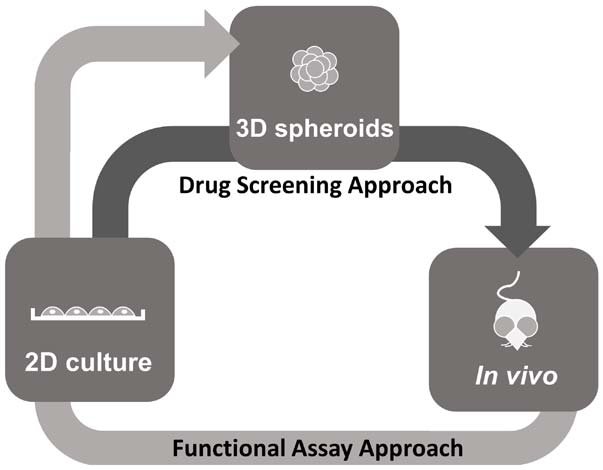
Spheroids are recognized as physiologically relevant three-dimensional models that could capture the major characteristics of both healthy and diseased tissues. Considering its high cell density, increased deposition of extracellular matrix and accelerated proliferation rates, spheroid-based…

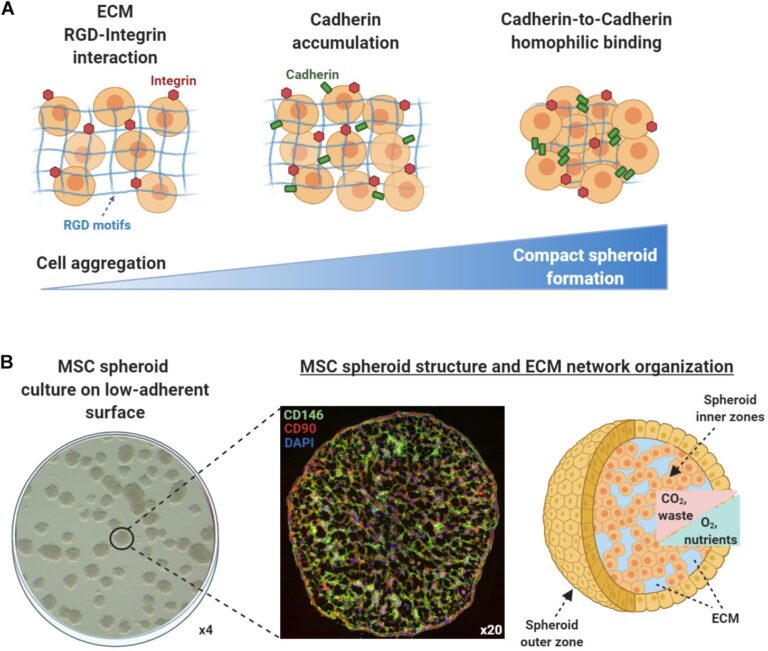
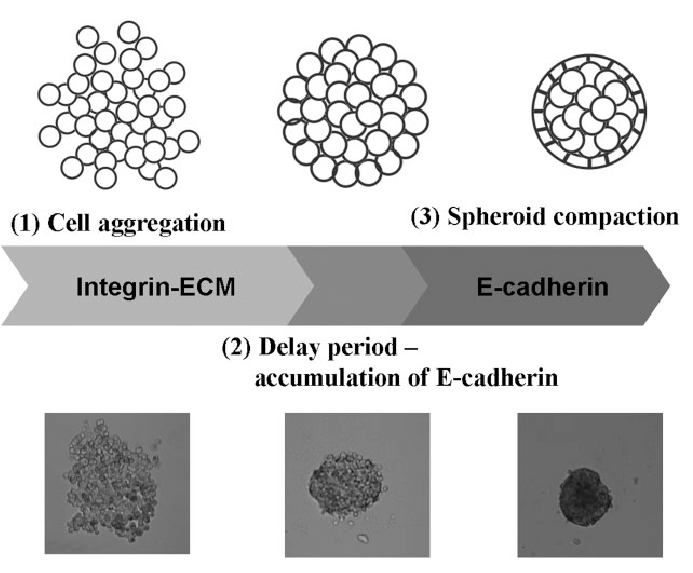
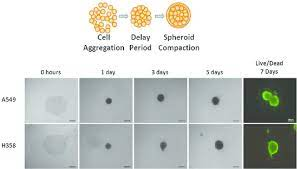
Forming Compact Spheroids

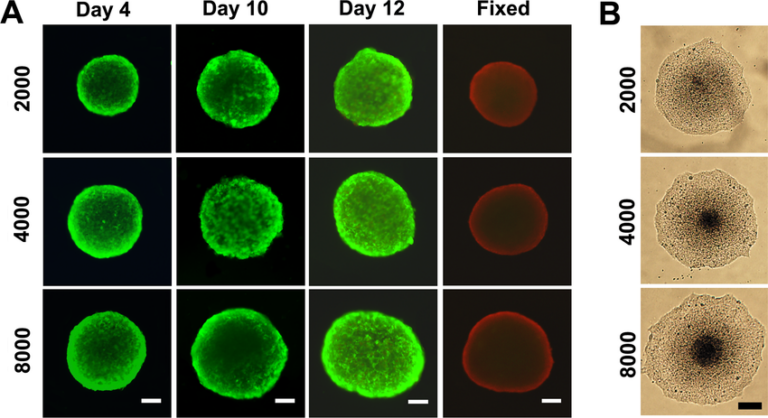
Spheroids, which are self, assembled cellular aggregates, as a representative 3D model of solid tumors is largely dependent on the uniformity of its size and shape. Uniform spheroids yield reproducible results in drug screens as…

Spheroid Models To Study Lung Cancer

Spheroid model has been shown to have features consistent with patient specific Non-Small Cell Lung Cancer Spheroid tumours (NSCLC), characterised by extremely high clonal and morphological heterogeneity of tumours and multi-drug resistance. Lung malignancies accounts…

Spheroids Embedded in Matrigel

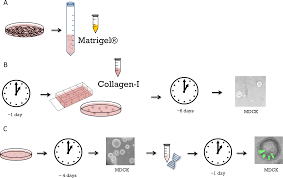
To replicate in vitro conditions of extra cellular matrix proteins presents within a tumour, Matrigel is used as both a matrix and additive to aid in spheroid formation. While some cell lines form dense macromolecular…