Cell Culture Insights

Human organoids

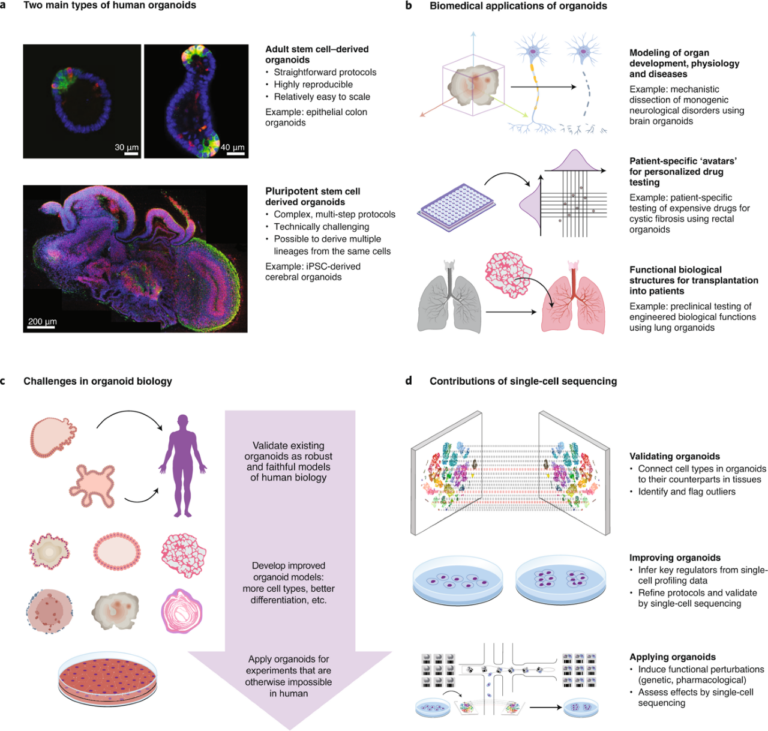
Human organoids : Soon to replace animal models?

Scaffold based cell culture systems namely organoids are reviewed as a promising option for studying biomedical applications. Human organoids are a tool for drug screening and study disease progression.  These 3D cell cultures replicate important aspects of the in-vivo micro-environment…

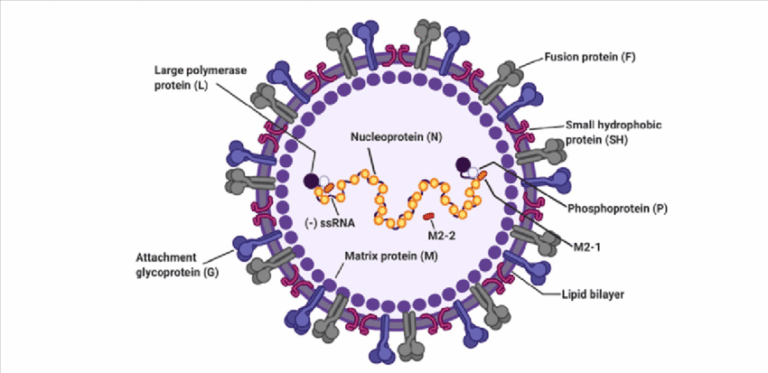
3D cultures for Parainfluenza viruses

3D cultures are now being extensively used to study the effects of respiratory viruses on host tissues. 3D cultures contain a modifiable platform to culture cells, that allows for development of in-vivo like structure and function of cells, resulting in…

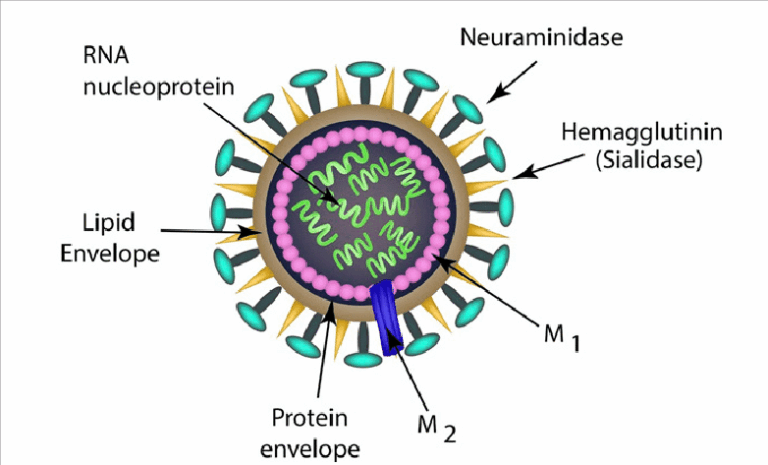
3D cell culture models for Influenza viruses

Traditionally cell based studies for respiratory viruses were performed on 2D monolayer cell cultures. In-vivo studies heavily relied on animal models. Both types of models however were not successful at accurately mimicking the in-vivo physiology and pathophysiology of cells in…

3d techniques

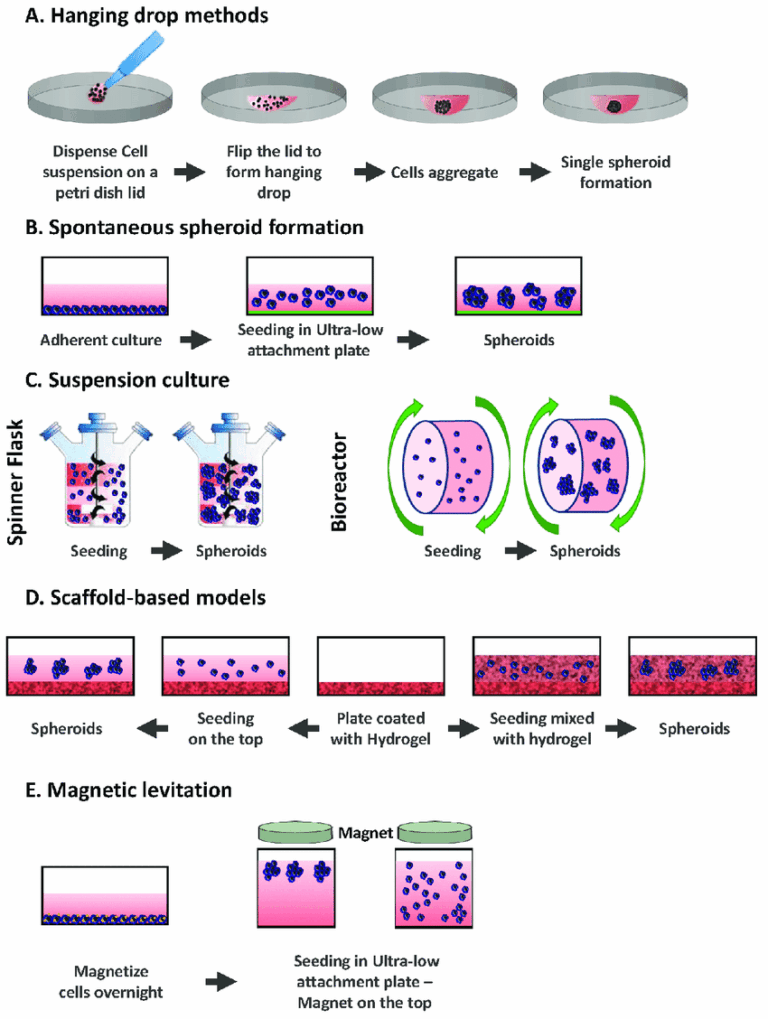
Spheroid culture techniques

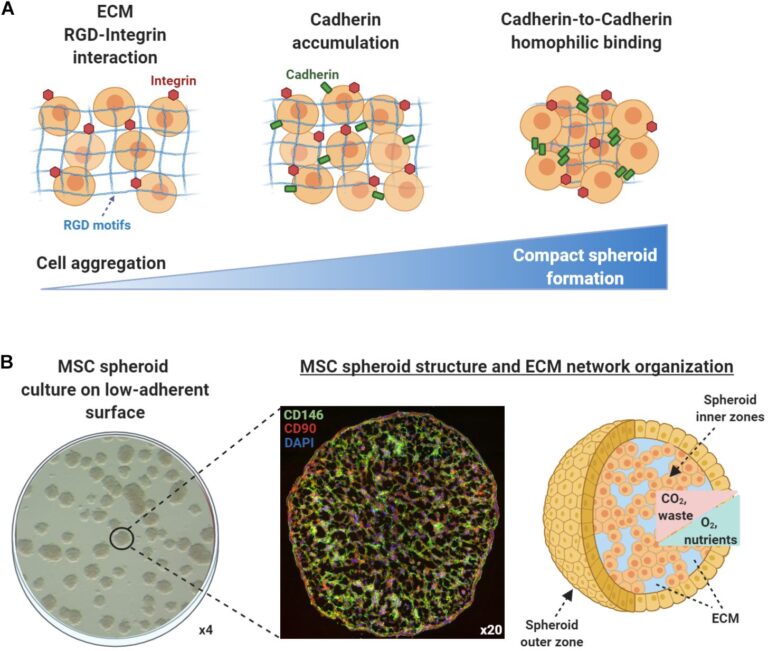
This article briefly describes the modern spheroid culturing techniques available. Pellet cultures In pellet culture systems, cells are forced to the bottom of the tube via centrifugation. Cell-cell adhesions are thus facilitated by proximity of single cells at the bottom.…

Smart Neurobiology with BIOFLOAT

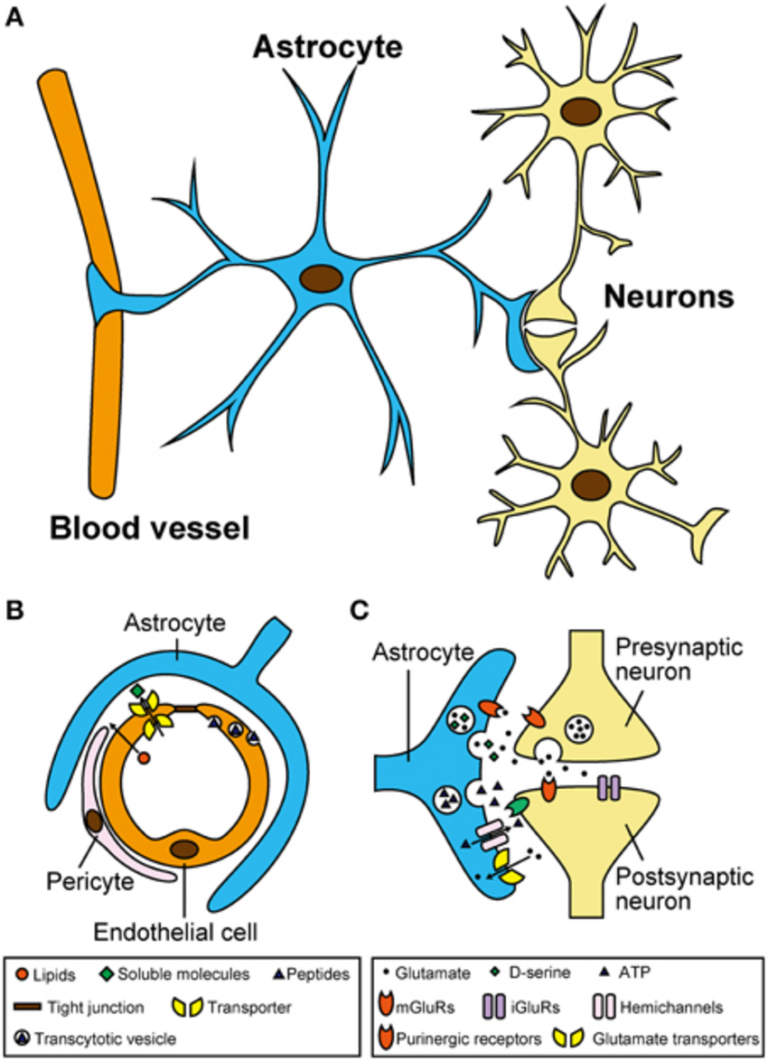
The brain is composed of a complex 3D interconnected system of different cells and extracellular matrixes (ECM). To mimic its 3D organization in-vivo, in-vitro culturing presents a unique challenge. The culture conditions should mimic the appropriate microenvironment with topographical cues…