Cell Culture Insights

Ribonucleic acid

Ribonucleic acid – An essential intermediate

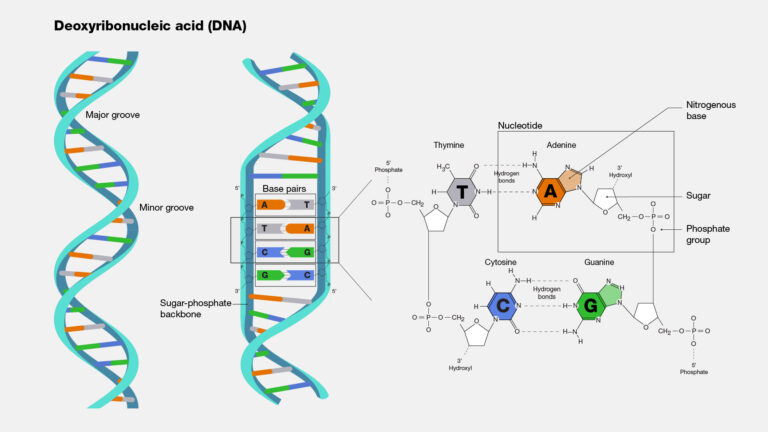
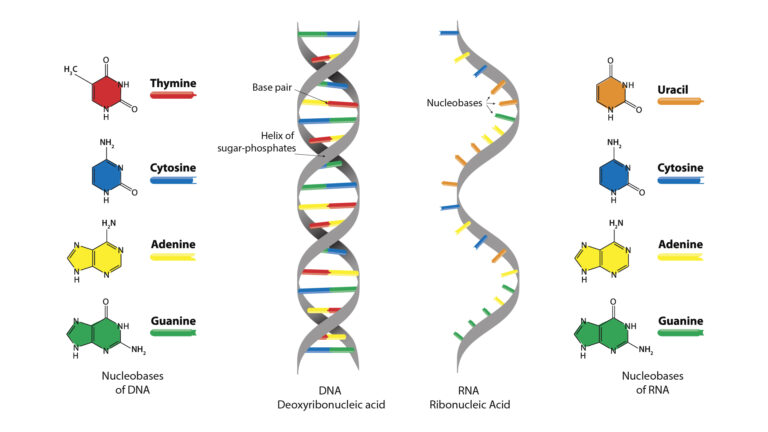
Ribonucleic acid (RNA) is a nucleic acid that can be found in all living cells and has structural similarities to DNA. Unlike DNA, RNA is single-stranded. An RNA molecule has a backbone made of alternating phosphate group and the sugar…

Genome editing Methods explained

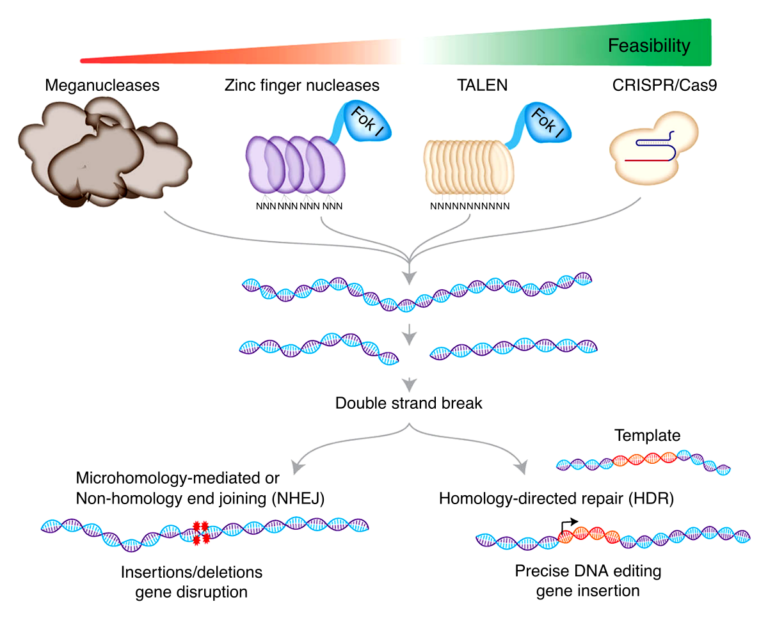
In 1970s, the development of genetic engineering – manipulation of DNA or RNA established a novel frontier in genome editing (1). Over the past few years, the development of genome editing has revolutionized research on the human genome, which has…

Ways to promote Cell proliferation

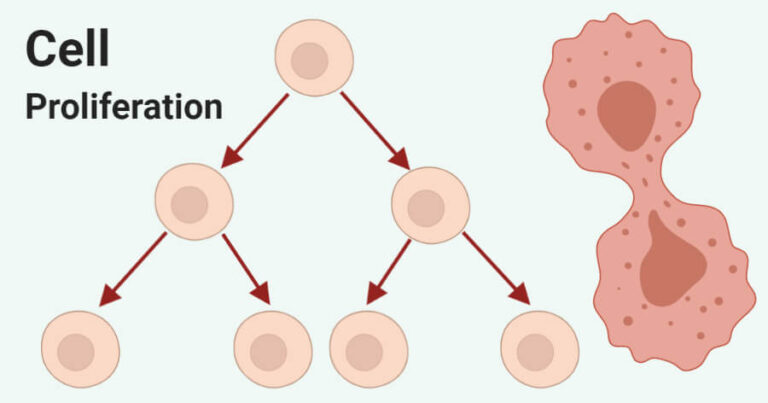
The size of an organ or organism depends mainly on its total cell mass, which depends on both, the total number of cells and the size of cells. Cell number, in turn, depends on the amounts of cell division and…

In vivo vs in vitro systems

The etymological origins of in vivo and in vitro comes from Latin, in vivo describes something within a living organism while in vitro describes something in glass such as a test tube or petri dish. An in vivo study involves…

Cell culture hood

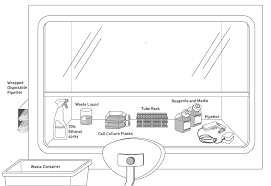
Major requirement of a cell culture laboratory is the need to maintain an aseptic work area that is restricted to cell culture work. The simplest and most economical way to provide aseptic conditions is to use a cell culture hood.…

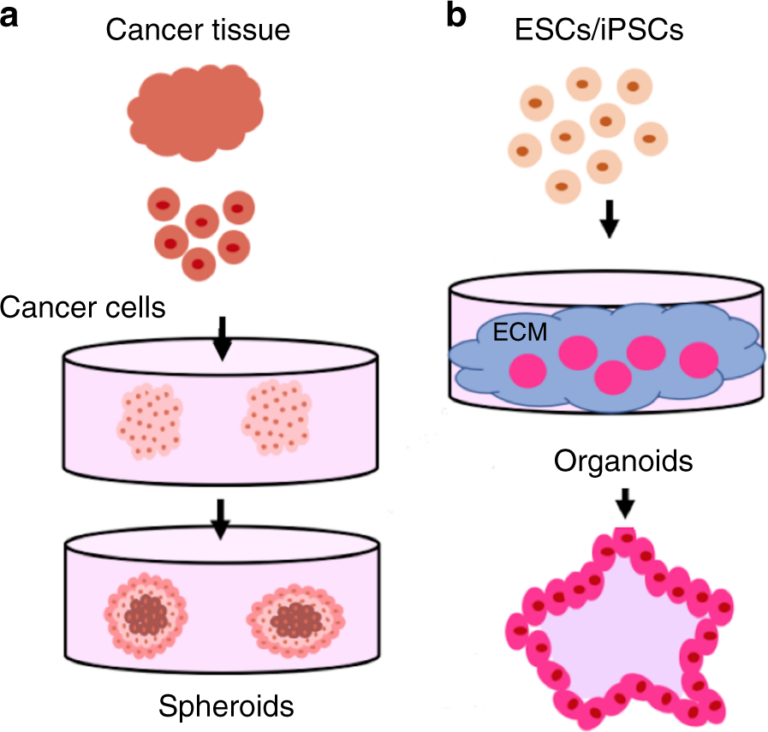
Organoids and their promising potential

Using organoids to study immunotherapy has been an emerging technique. In a study published in 2019, a method of co-culturing tumour organoids with peripheral blood lymphocytes generated immune cells that recognize and kill autologous tumour organoids. This method preserves the…

Spheroids and three-dimensional stem cell cultures

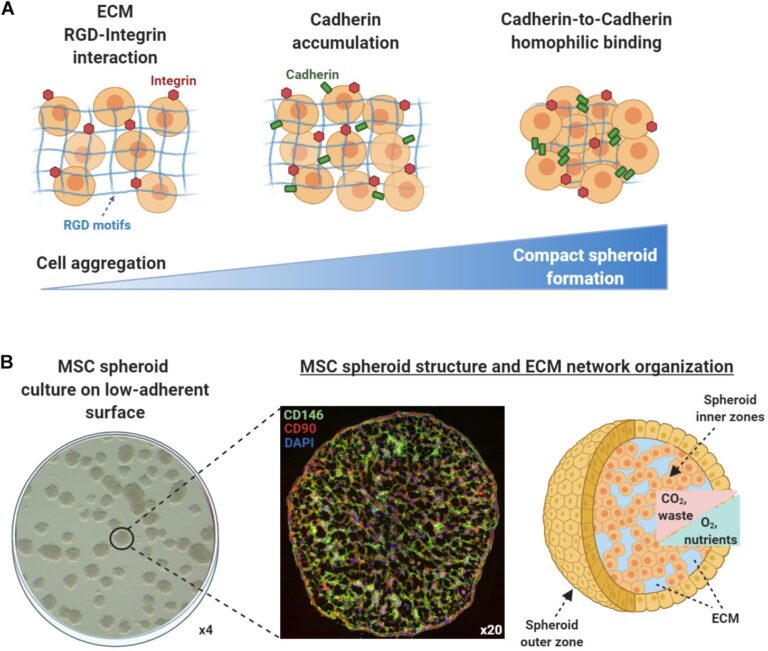
A spheroid culture system provides a similar physiochemical environment to in vivo, by facilitating cell-cell and cell-matrix interaction to overcome the limitations of traditional monolayer cell cultures. Due to the importance of stem cell culture systems in clinical applications, researchers…