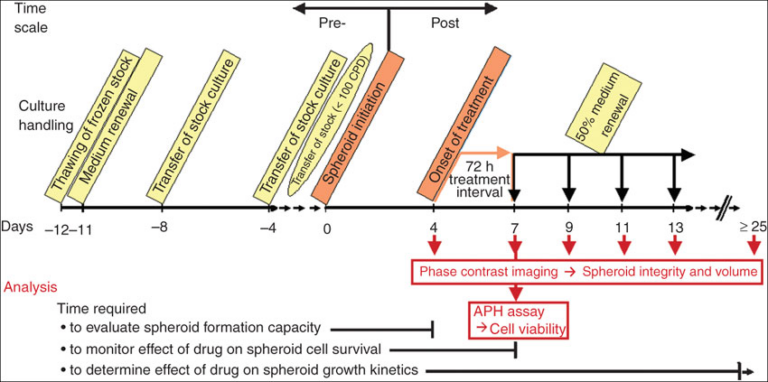
Generating large scale primary liver spheroids
Liver spheroids are successful as a physiologically relevant 3D cell culture model, with accurate representation of in-vivo like structure and function. In addition these 3D platforms are compatible with most high throughput, and high content screening systems, thus proving to
Primary Hepatic 3D culture systems
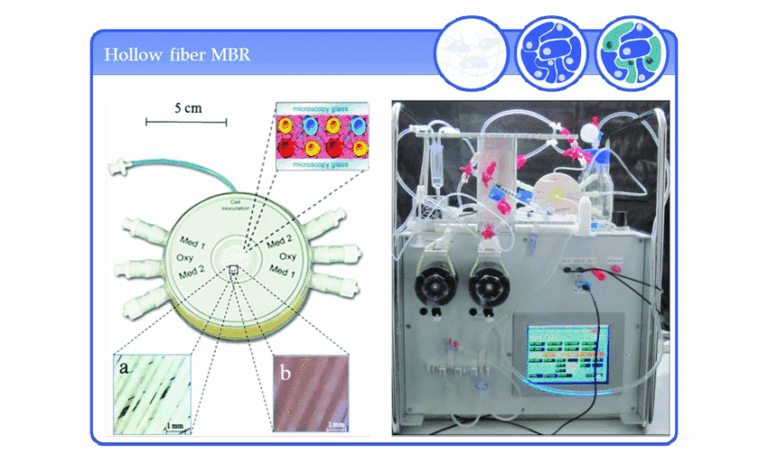
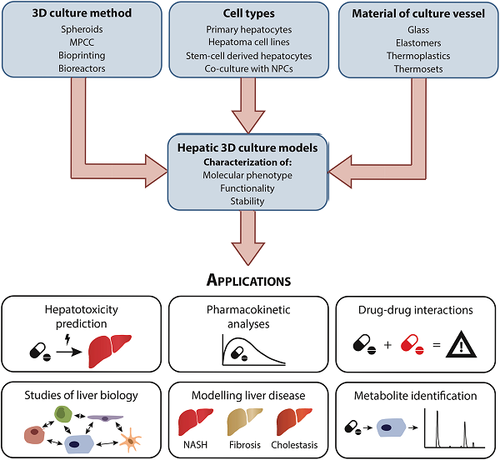
In the past decade 3D liver cultures as developed in leaps and bounds for study of liver functions, and disease progression. Most of these culture systems are also adopted commercially, for testing drug toxicity, drug interactions and pharmacokinetics. Such advances
ORGANOIDS: CONSTRUCTS DERVIED FROM STEM CELLS
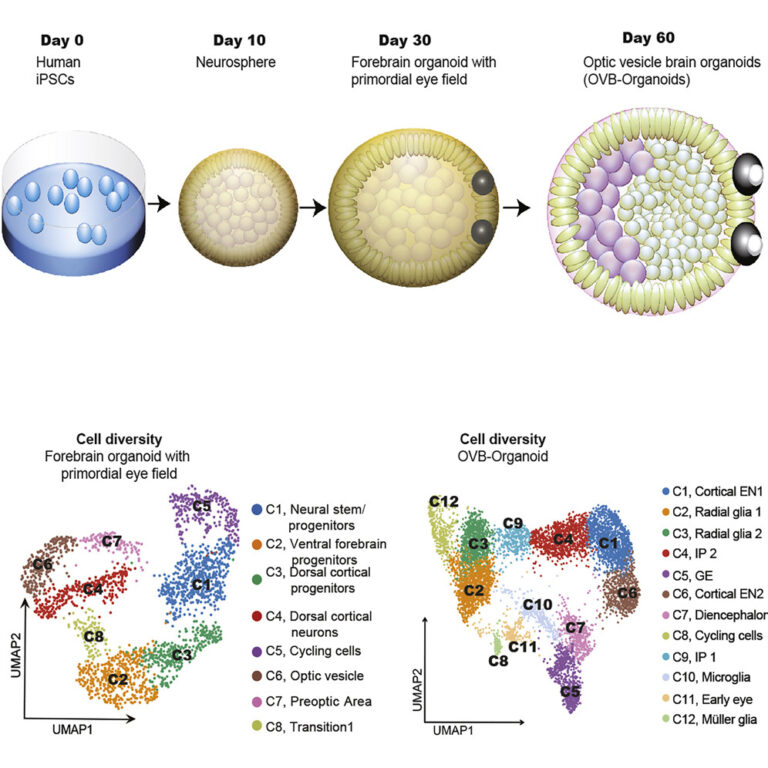
Organoids can be defined as three-dimensional multicellular in vitro tissue culture that has the capability to mimic its corresponding in vivo organ, so that they can be put in use to study characteristics of that organ in the tissue culture
Modeling Prion diseases in a dish
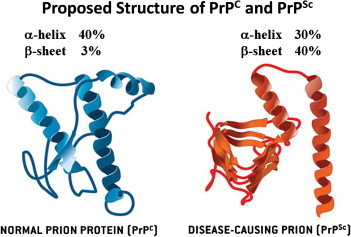
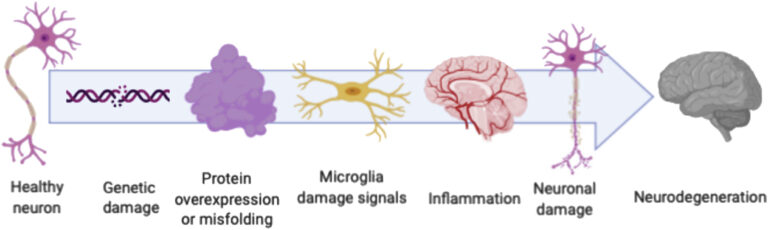
Neurodegenerative diseases are primarily characterized by the formation and aggregation of misfolded protein in the central nervous system. Prion diseases; a group of rare and fatal brain disease is caused by misfolding of cellular prion aggregates called scrapie prion proteins
ALZHEIMER’S BREAKTHROUGHS WITH 3D CELL CULTURES
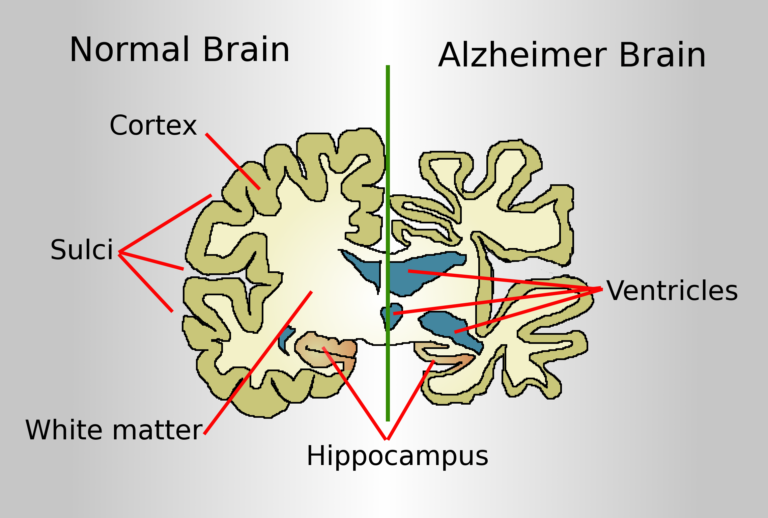
The limitations of 2D cultures have paved the way for the development of 3D cell culture models of Alzheimer’s disease (AD). AD is a neurodegenerative disorder comprised of progressive decline of cognitive abilities and behaviour leading to a poor quality
AN ERA OF 3D CULTURES : A BREIF OVERVIEW ON SPHEROIDS
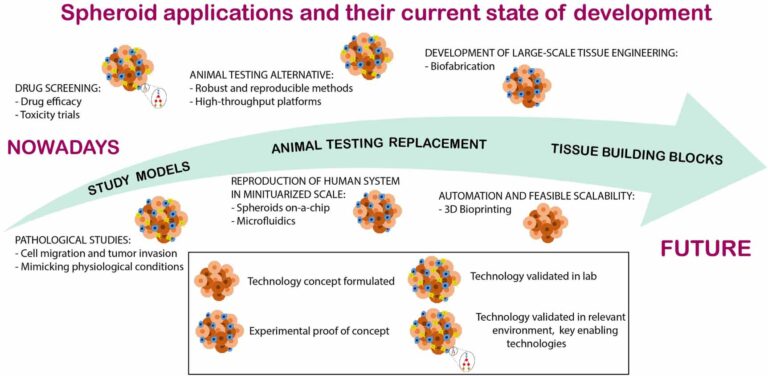
Wondering what these tiny clumps of cells are? let’s have a look. WHAT ARE SPHEROIDS? Spheroids are three-dimensional (3D) cell aggregate to better stimulate a in-vivo like environment as compared to a two-dimensional model. Compared to other 3D cell culture models, spheroids
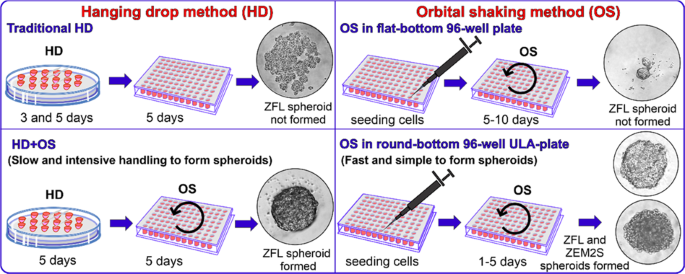
96 WELL PLATES AND DEVELOPMENT OF 3D CULTURES: A COMPARISON OF DIFFERENT SPHEOIDS FORMATION METHODS
Cells grown in 3D systems develop into physiologically relevant structures comprising of in-vivo like cellular microenvironment that determine gene expression, growth behavior and specific biochemical functions of organs (1). 3D spheroids of fish and fish cell lines have shown a
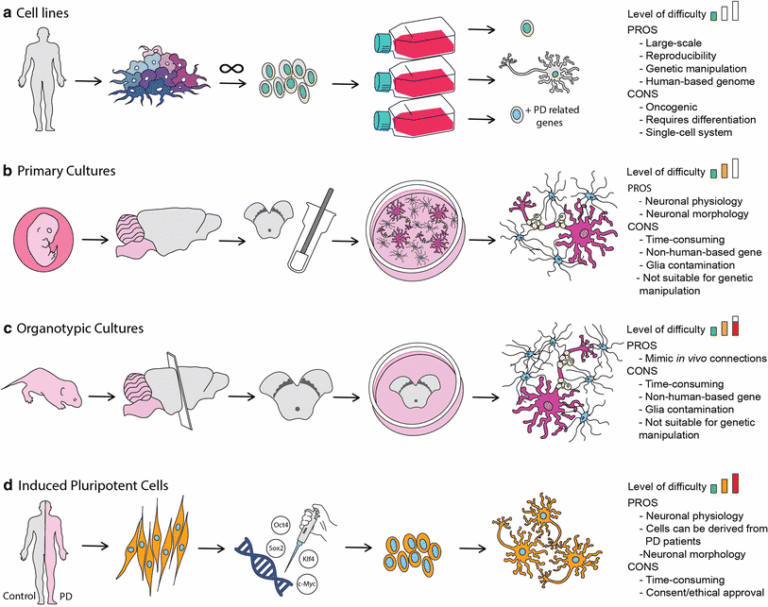
Advancing Parkinson’s research with 3D cell cultures
In the recent years most drugs designed to treat neurodegenerative disorders, have failed to produce desired effects at the clinical trial phase. This points towards a strong inability in conventional 2D culture assays, and animal models to replicate human pathophysiology,
SPHEROID BASED APPROACHES FOR DRUG SCREENING
Over the past several years, various types of 3D cultures systems have acquired attention and increased recognition as an important tool for research. This trend has also been illustrated, In Alison Abbotts 2003 nature report titled: ´CELL CULTURE – BIOLOGY´S
3D CELL CULTURES TO STUDY THE NEUROLOGICAL DISORDERS
Severe acute respiratory syndrome coronavirus 2 (SARS CoV-2) pandemic has been at the center of attention in public health due to its severity resulting in high mortality rates around the globe. 2D and 3D cell cultures have played a crucial