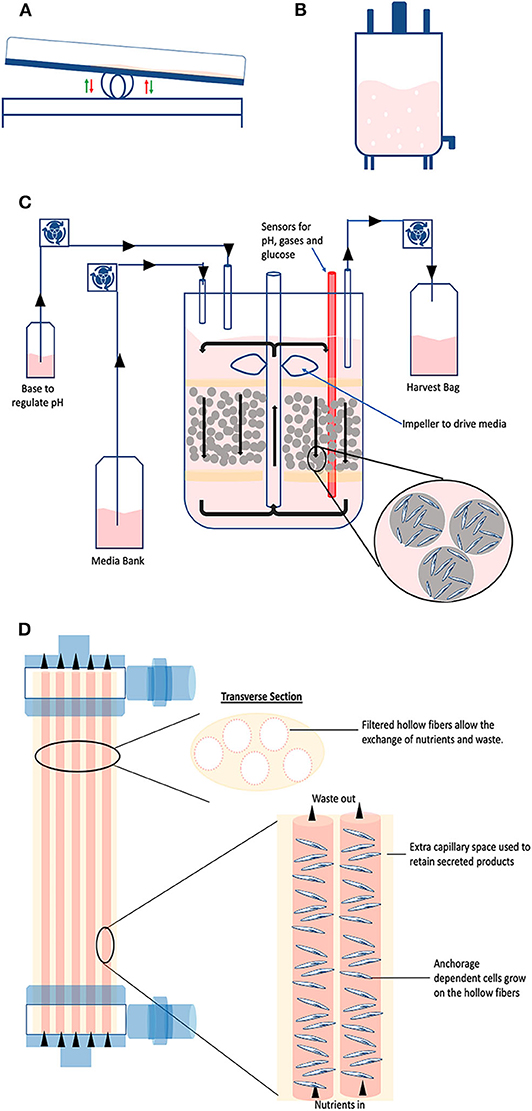
SCALE UP CULTURES AT INDUSTRIAL OR LARGE SCALE LEVELS
As the new technologies are evolving along with the new discoveries, there is a huge need to scale up and speed up the process of producing cells at a larger scale. Below are the commonly…

As the new technologies are evolving along with the new discoveries, there is a huge need to scale up and speed up the process of producing cells at a larger scale. Below are the commonly…
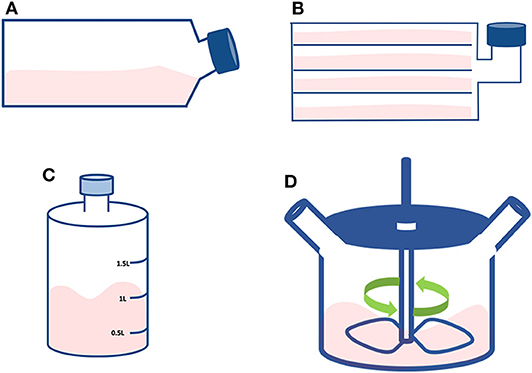
With the evolving tools of molecular biology and biotechnology, many scientists have found out a way to scale up the cell cultures to produce enough amounts of cells or contained medium for further purifications or…
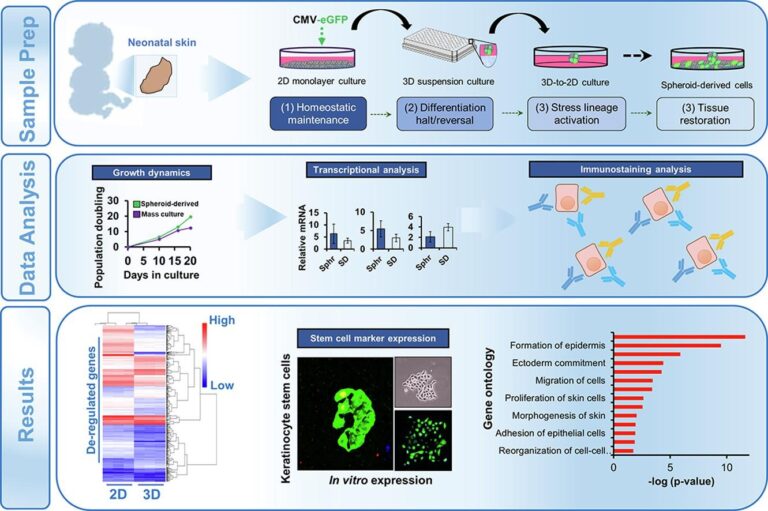
Three-dimensional cultures provide unique platform to study complex biological processes in vitro mainly cell proliferation, differentiation, motility, and stress. However, 3D spheroid culture methods are well established in certain tissue types, it is still challenging…
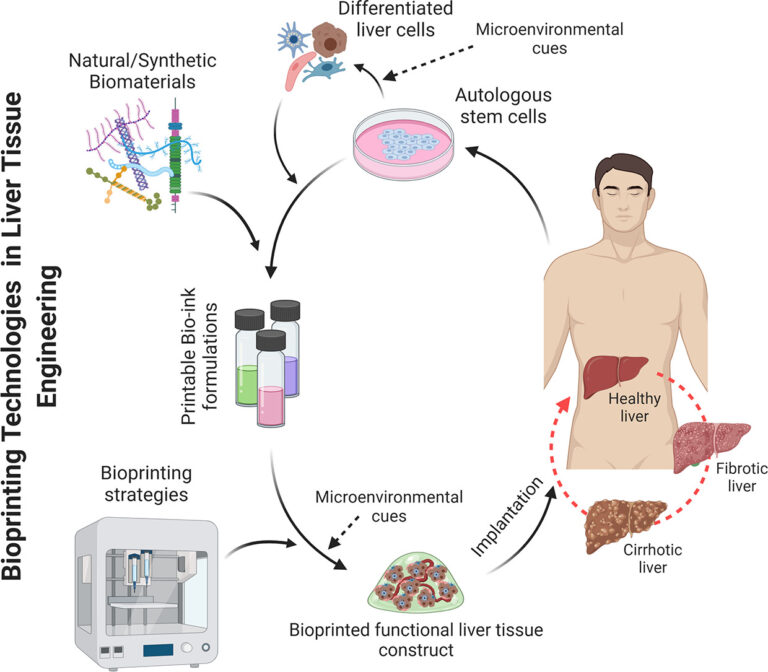
The discovery of 3D printing technology accompanied by the development of biocompatible materials such as hydrogels has become a vital tool to advance tissue engineering. 3D bio printing involves cell laden biomaterials called bioinks and…
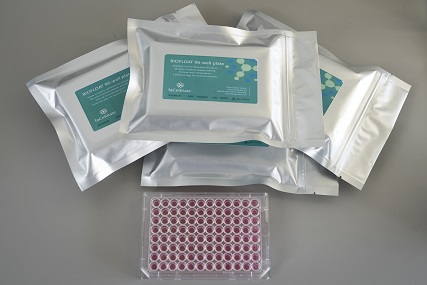
The first microplate was invented in early 1950ws by Hungarian physician, scientist and inventor Dr. Takatsy. He created hand machined first microplate consisting of 6 rows of 12 wells out of Poly methyl methacrylate (PMMA).…

Progress in 3D cell culture technology has created the possibility of tissue engineering development and enhanced progression in regenerative medicine. At first, tissue-engineered cartilage was developed in the nineties followed by the development of 3D…
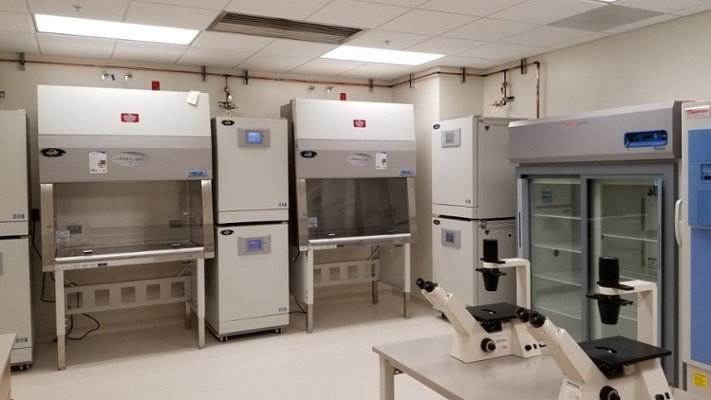
The continuous culture of eukaryotic cells has become a main-focused technique in several fields- biological, biochemical, and biomedical research. Cell culture needs a commitment of energy and resources to be undertaken in a professional manner.…
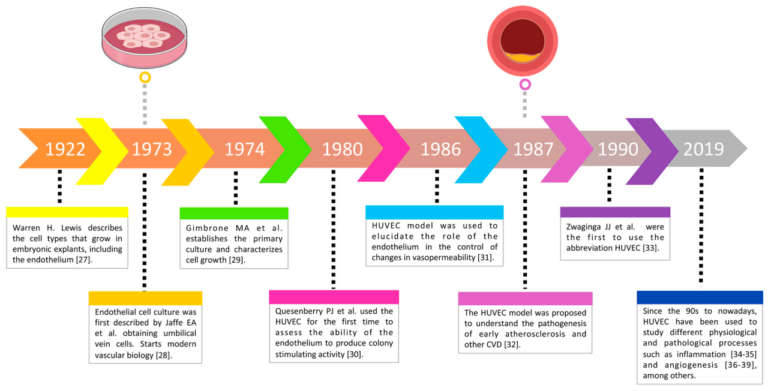
In late 19th century, it was demonstrated by Wilhelm Roux that it is possible to maintain living cells outside the body in saline buffer for a few days. (1). At the same time in parallel,…
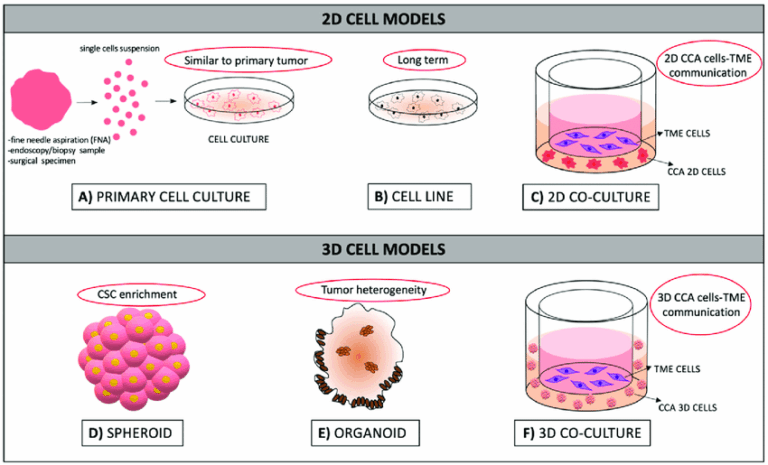
Cell culture is an important and necessary tool in drug discovery, cancer research as well as in stem cell studies. Cells are cultured using two-dimensional methods, but new and improved methods have now evolved and…
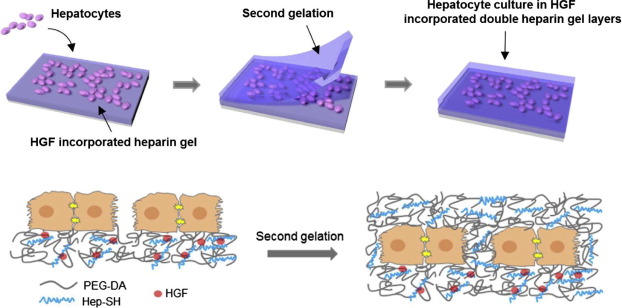
In the recent years there has been an arsenal of 3D cell culture techniques developed for both small-scale applications such as physiological research as well as industrial research such as pharmacokinetics and high throughput drug…