Ready-to-use for Suspension & 3D cell culture
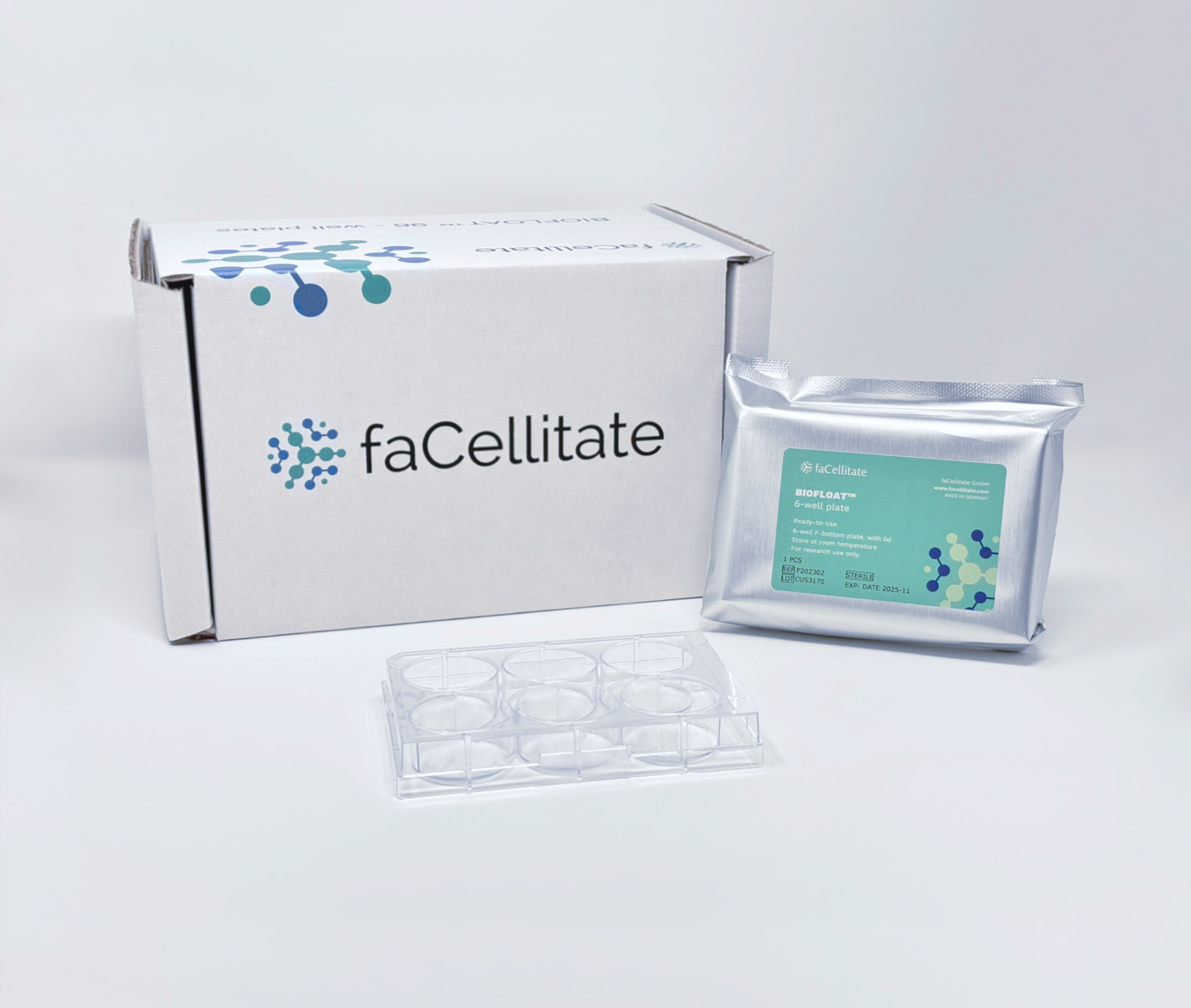
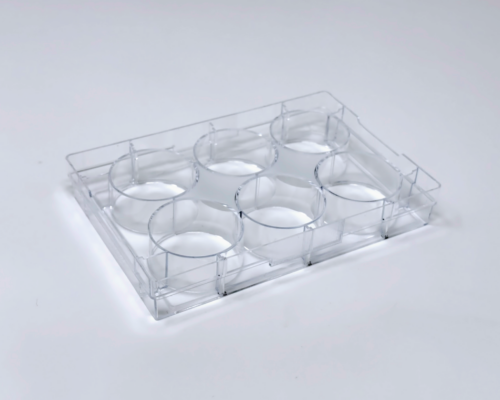
The BIOFLOAT™ 6-well plate provides a highly defined, fully inert, and cell-repelling surface.
Product Characteristcs
Plate color: clear
Well bottom: Flat
Well volume: 5.75 ml
Dimensions: 85.20 mm (width) x 22.45 mm (height) x 127.80 mm (length)
Material: Polystyrene (PS)
Sterile: yes
Made in Germany
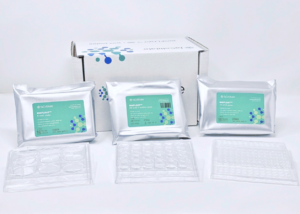
Quantity: 1 Plate per pack
Want to make sure BIOFLOAT™ 6-well is suitable for your cell culture?
Not sure whether BIOFLOAT™ 96-well plates are suitable for your cell culture model? For this reason, we offer a free sample so you can test the plate directly in your own application. This way, you can evaluate spheroid and organoid formation under your specific experimental conditions.
The reliable quality of the BIOFLOAT™ cell culture surface enables the formation of perfect spheroids
even for challenging cells. This also includes cells that do not form spheroids on existing products.

Cardiac myocytes

Endothelial cells

Primary hepatocytes

Alveolar epithelial

Neuronal stem cells
Fibroblasts (M. musculus)
Squamous cell cancer cell line (H. sapiens)
Melanoma cell line (M. musculus)
Colon carcinoma cell line (H. sapiens, Caucasian)
Pancreatic adenoma cancer cell line (H. sapiens)
Ovarian cell line (C. griseus)
Epithelial breast cancer cell line (stem cell-like)
(H. sapiens)
Tumourigenic breast epithelial stem cell line from
D492 cells (H. sapiens)
Pancreatic cancer cell line (H. sapiens)
Embryonic stem cells (S. scrofa domesticus)
Pancreatic adenoma cancer cell line (H. sapiens)
Lung adenocarcinoma cell line (H. sapiens)
Breast cancer cell line (H. sapiens)
Colon cancer cell line (H. sapiens)
Primary dental pulp stem cells (H. sapiens)
Pancreatic cancer cell line (H. sapiens)
Immortalised osteoblasts (H. sapiens)
Venous endothelial cells (H. sapiens)
iPSC-derived hepatocytes
Breast cancer cell line (H. sapiens)
Pancreatic cell line (H. sapiens)
Hepatic stellate cells/Ito cells (F norwegicus)
Hepatic stellate cells/to calls (r. Sapiens)
B-lymphocyte cell line from myeloma patients
Immortalised astrocytes (H. sapiens)
Differentiated fatty cell organoids from pluripotent stem cells
Endometrial organoids from detached primary cells (non-human primates)
Fibroblast progenitor cells (M. cerebralis)
IPSC-derived cardiomyocytes (H. sapiens)
Liver organoids (differentiated) (M. musculus)
Neuronal stem cells (HN9 differentiated)
Primary hepatocytes (H. sapiens, M. musculus,
M. fascicularis, C. lupus famillaris)
Raw Material Processing
The product does not use any rawmaterials of animal or biological origin and therefore does not have TSE/BSE.
The polymer raw materials used for coating plates were positively evaluated for quality consistency using GPC, GC-MS and NMR spectroscopy.
The sterile, non-pyrogenic/endotoxin-free, non-cytotoxic, DNase-/RNase-/DNA-free multi-well plates were coated using pipetting robots. Coated plates were sterilized by electron beam irradiation
Want to create perfect uniform spheroids?
Stability in long term cultivation of 3D cell models
Highly viable and functional 3D cell models can be cultivated for several months in BIOFLOAT™ plates.
Scratch resistant
BIOFLOAT surfaces are highly resistant to physical and chemical stress. No risk of damaging the coating if scratching the surface with a pipette tip.
Repellent to protein and hydrophobic compounds
Proteins and sticky compounds are not interacting with BIOFLOAT surfaces, allowing a better control of the concentration of these molecules in your assay.
Cell repellent
Even the stickiest cells, like macrophages, cannot adhere to BIOFLOAT surfaces enabling their cultivation in suspension.
Why use BIOFLOAT™ technology for your research?
BIOFLOAT™ coating technology provides a highly defined, fully inert cell- and protein-repellent surface for cell culture labware and devices. Compact and reproducible spheroids are rapidly generated on BIOFLOAT™ coated surfaces, even with challenging cell types. Sticky proteins are inhibited to adsorb to your cell culture labware.
Which cells are compatible with the BIOFLOAT™ technology?
BIOFLOAT™ coating technology is compatible with broad range of human and animal derived cell lines or primary cells. This new technology is developed to generate cell spheroids; therefore, any cell line can be used which are known to form such spheroids or you can develop new organoid models containing spheroids with cell lines of your choice.
Which products are available with the BIOFLOAT™ coating technology?
Choose between the ready-to-use 6-, 24-, 96-U bottom, 96-F bottom and 384- well plates or BIOFLOAT™ FLEX coating solution to modify a broad range of plastic and glass surfaces.
Does the coating react with chemicals?
Choose between the ready-to-use 6-, 24All BIOFLOAT™ products do not contain any reactive groups, which can react with other chemicals.-, 96-U bottom, 96-F bottom and 384- well plates or BIOFLOAT™ FLEX coating solution to modify a broad range of plastic and glass surfaces.
Check out our products
Do you have any questions about ordering our product, or are you facing any issues?
If so, feel free to schedule a call with us. This way, we can help solve the problem quickly.

Downloads & Links
Application Notes
Product Sheet
White paper
Trusted by and Published in Prominent Journals










Our Partners