admin.facellitate

admin.facellitate

Blood cells in 3D cell culture
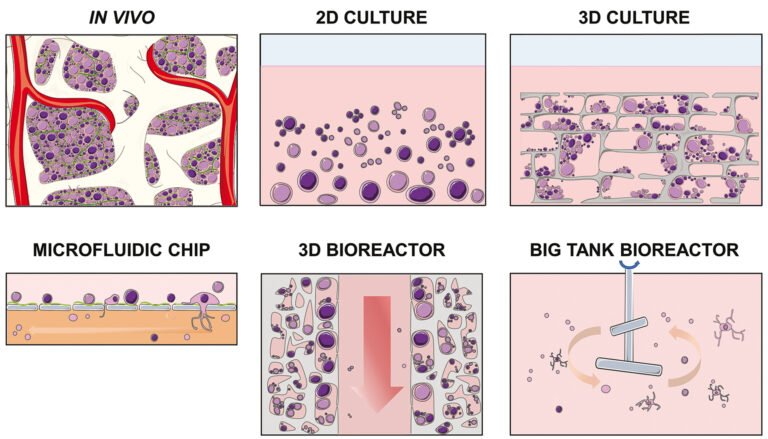
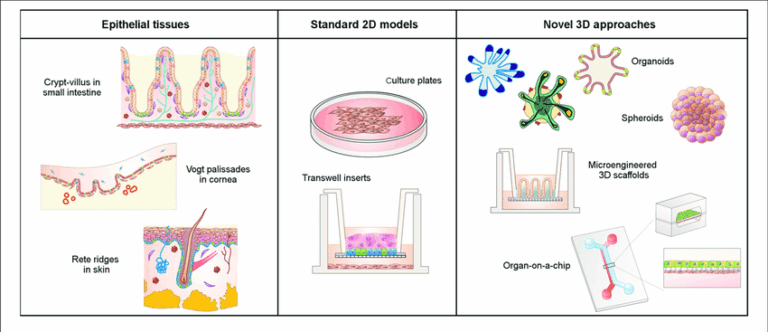
In recent decades there has been a strong move from 2 dimensional cell cultures to 3D cell culture systems as a laboratory tool to recapitulate the morphology of native human tissues. 3D cell culture systems has been quite challenging to…
Dental cells

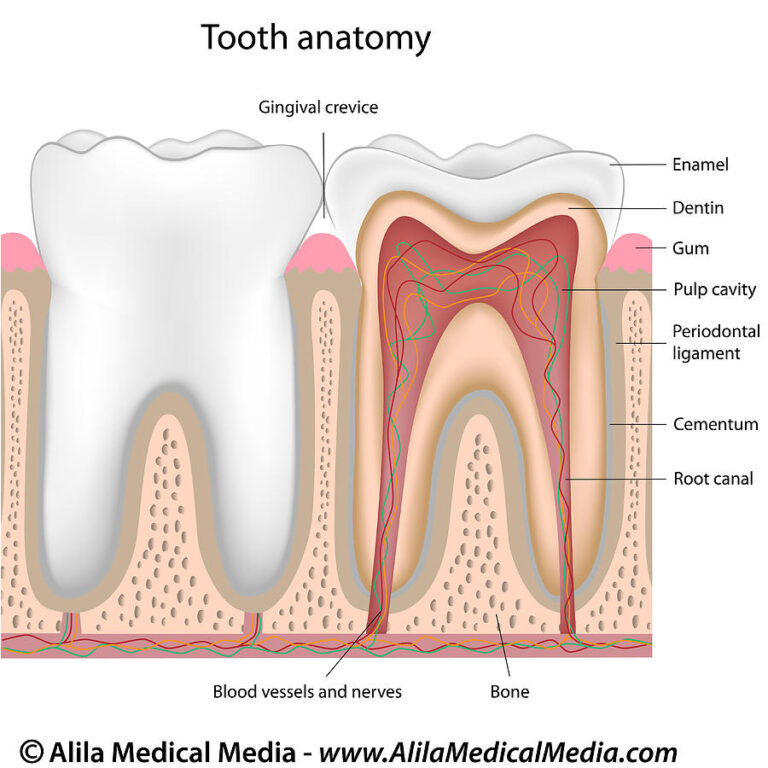
Dental pulp stem cells (DPSCs) are derived from the dental pulp; the soft living tissue within teeth. These cells are pluripotent and are able to differentiate into tissues that bare similarity to mesoderm, endoderm and ectoderm layers (Atari et al,…

Bone microenvironment

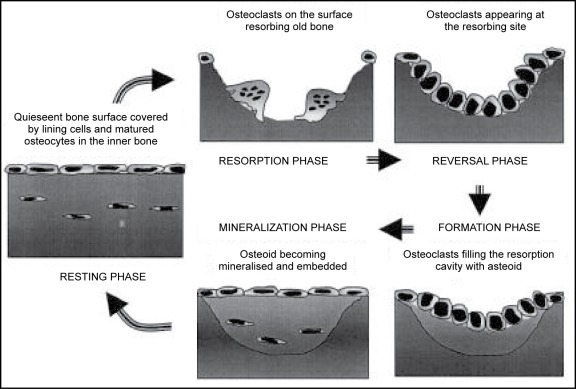
Bone is a mineralized connective tissue composed of four types of cells namely, osteoblasts, osteocytes, osteoclasts and bone lining cells. Bone tissue is constantly undergoing remodeling via the bone resorption by osteoclasts and bone formation by osteoblasts. Osteocytes operate as…

The Pancreatic islets

The pancreas is both an exocrine and an endocrine gland. The exocrine functions are performed by acinar cells, which secrete digestive enzymes. The endocrine role is played by the pancreatic islets; group of cells comprising of alpha, beta, delta and…

Brain cells

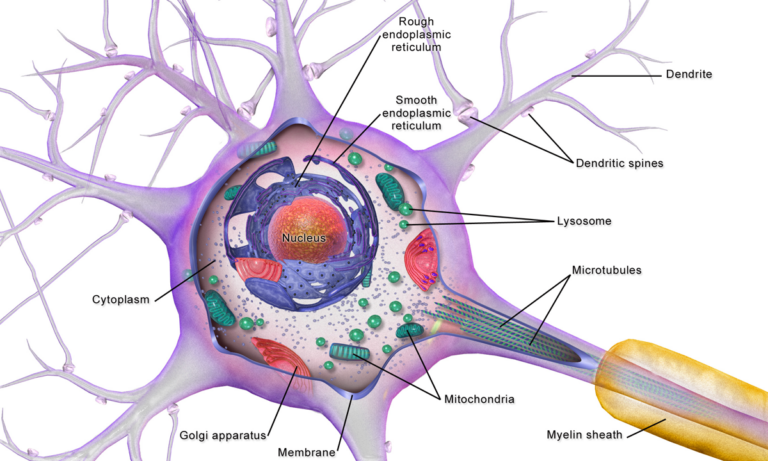
Brain cells collectively comprise the functional tissue of the brain (1). They are composed of 2 main types of cells, neuronal and glial cells (1). Glial cells can be further divided into astrocytes, ependymal cells, oligodendrocytes and microglia, which play…